
High-Lift Electric Wire Rope Hoist
Heavy-duty, high-speed wire rope hoists—from compact low-headroom trolleys to double-girder units. Share capacity, lift height and duty class for quick sizing.
High-Lift Electric Wire Rope Hoist
This version keeps the buyer-friendly builder and inquiry flow, while upgrading the page with a left-side quick guide, stronger project-direction visuals and a lower guide-price strategy that encourages buyers to leave project details for an accurate quote.
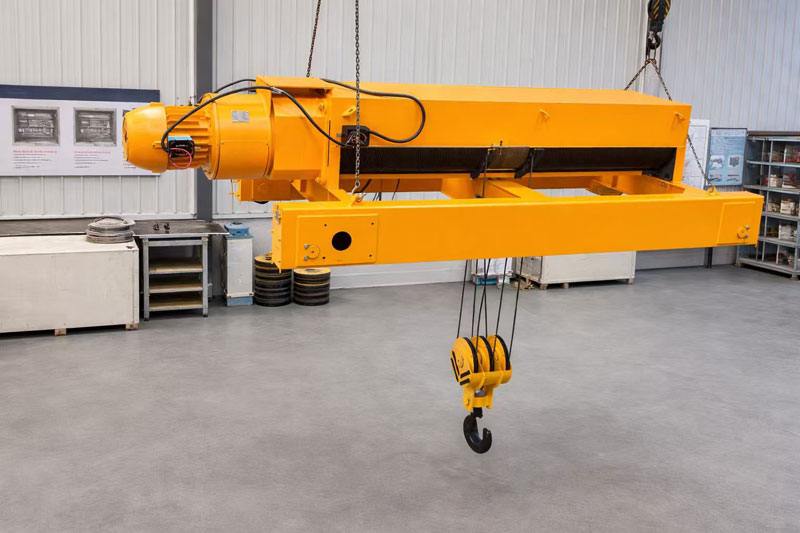
- High-lift rope arrangement
- Tall lifting applications
- Stable long-travel handling
- Quotation-ready inquiry flow
What buyers usually confirm first
High-lift hoist projects are usually not just about load. Once the lift path becomes taller, reeving direction, duty group, beam layout, control mode and actual operating environment all start affecting the final configuration and quote much earlier.
Greater lifting height range
Useful for taller workshops, lower pit positions, transfer stations and projects where the hook needs to travel much farther vertically.
Reeving and rope path matter more
When lift height increases, the rope path and reeving direction need to be matched more carefully for stability and practical operation.
Duty and speed should match the real work
Longer travel often means the project should review working frequency, hoist speed and stop-start conditions earlier in the discussion.
Site information improves pricing
Beam arrangement, power supply, environment and photos or drawings can move the quotation much faster than load data alone.
Project Direction for High-Lift Applications
This section is arranged for buyers comparing a standard lift path with a taller lifting requirement. The main image keeps the primary direction clear, while the two right-side cards are enlarged so the page looks fuller and more convincing.
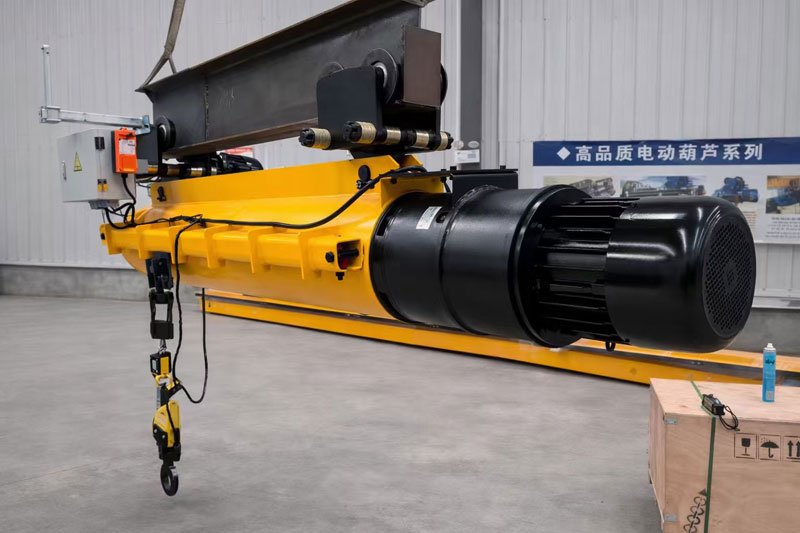
Designed for taller lifting paths and longer hook travel
A high-lift electric wire rope hoist is usually chosen when the hook has to move farther vertically than a standard workshop job. In these projects, rope arrangement, reeving selection, control stability and structural matching all become more important in the early quotation stage.
- Better suited for projects with clearly taller lift height requirements
- Useful when operating stability matters through a longer vertical travel path
- Practical when the buyer needs clearer reeving and structure direction before pricing
- Easy to align with export power supply and application details for quotation

Tall Workshop / Shaft Direction
Useful when the hook has to travel farther upward or downward across taller structures, shafts or deeper working positions, and the project needs a more deliberate high-lift configuration path.
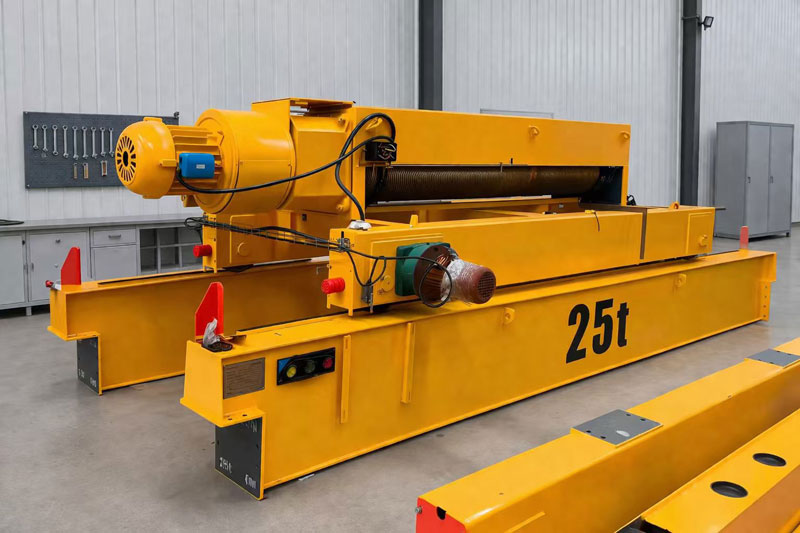
Process / Service Area Direction
Practical for service pits, transfer stations or industrial handling points where rope length, lift height and working frequency need to be matched more carefully, and where a buyer wants the page to look stronger visually.
Build Your Spec & Quick Budget Reference
The left side is for fast configuration. The right side updates the summary and budgetary price range automatically. This keeps the page interactive and helps direct the buyer into inquiry instead of treating the visible price as the final selling price.
Build Your High-Lift Hoist Spec
Adjust the key quotation points below. The estimated range and highlighted price card will update with your selection.
Quick Quote Snapshot
This summary is meant to move the customer toward inquiry, not replace the final quotation.
Guide Price Reference
These visible guide prices are adjusted lower than before so the buyer sees a friendlier entry point. The message is clear: these are reference bands, and exact pricing comes after confirming the project details.
Light / Standard High-Lift
For relatively lighter high-lift projects with a simpler running condition and a more standard duty expectation.
- Common for 1–3 ton lighter projects
- Shorter tall-travel requirements
- Useful as an early-stage budget reference
Mainstream High-Lift Range
For the most common inquiry range where lift height, reeving and real-duty matching all matter in a practical way.
- Often suitable for 3–8 ton projects
- More typical for taller lifting travel
- Best range to start the quotation conversation
Higher-Duty / Longer Travel
For heavier or more specialized high-lift projects where extended travel, stronger duty or more detailed reeving review are involved.
- Usually for higher capacity or more demanding duty
- Longer lift travel and more project input required
- Best handled through direct quotation and drawings
Technical Focus for Faster Quotation
These are usually the inputs that help move a high-lift hoist quotation forward quickly and avoid repeated back-and-forth with the customer.
What usually matters most
- Required capacity and target lift height
- Single-girder or double-girder running condition
- Required operating smoothness and control mode
- Whether the rope travel is standard or needs project-based reeving
- Working frequency and expected duty level
- Power supply and installation country
What helps confirm pricing faster
- Beam arrangement and available installation dimensions
- Indoor, dusty, covered outdoor or exposed outdoor environment
- Any drawing, site photo or crane layout reference
- Expected delivery schedule and quantity
- Any special requirement for smoother lifting or lower swing
- Whether the buyer is comparing against an existing older hoist
Product Views & Project Gallery
The gallery below keeps the page visually stronger and helps support inquiry discussions without repeating the exact same image logic everywhere.
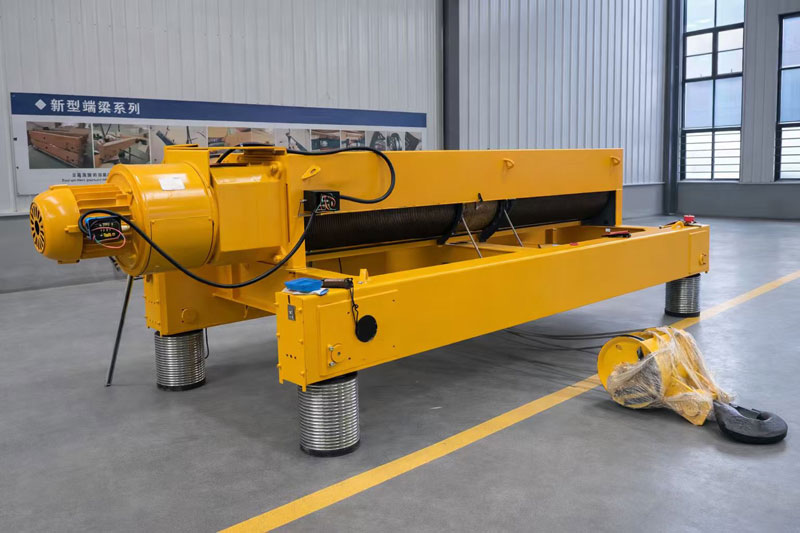
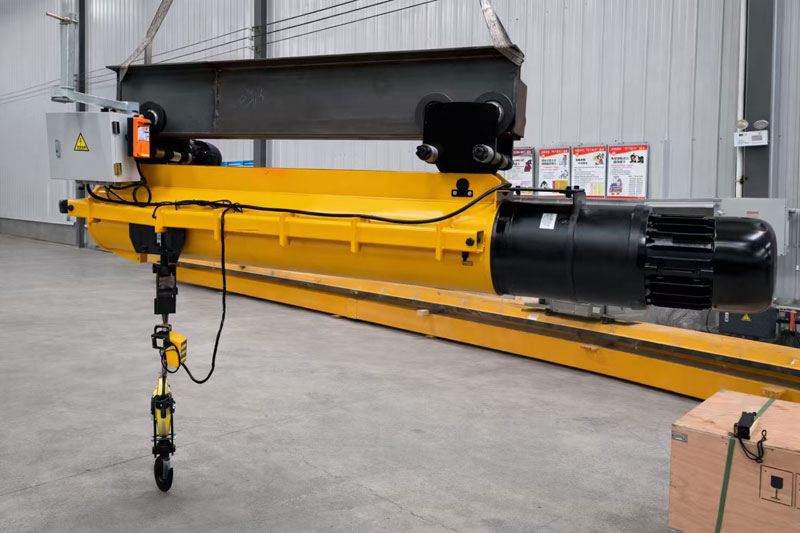
Configuration direction for taller lifting applications
The high-lift direction is especially useful when the project needs greater vertical travel, clearer reeving direction and a configuration that stays practical in real industrial duty conditions.
Send Your High-Lift Hoist Inquiry
This section keeps the form full-width and easy to scan. The visual price is there to attract the buyer, but the conversion goal is still to get real project details and return the exact quote.
Recommended basic inputs
- Capacity
- Lift height
- Running type
- Power supply
- Installation country
Helpful project details
- Beam arrangement
- Duty expectation
- Control preference
- Working environment
- Photos or drawings
Quotation note
The visible guide price is for early discussion only.
Leave your actual project details and we will provide a more accurate ex-factory quotation based on the required configuration.