
Low Headroom Electric Wire Rope Hoist
Heavy-duty, high-speed wire rope hoists—from compact low-headroom trolleys to double-girder units. Share capacity, lift height and duty class for quick sizing.
Low Headroom Electric Wire Rope Hoist
This redesigned version turns the page into a clearer conversion flow: buyers quickly understand why low headroom matters, compare practical project directions, check a budgetary range, and leave inquiry details with better confidence.
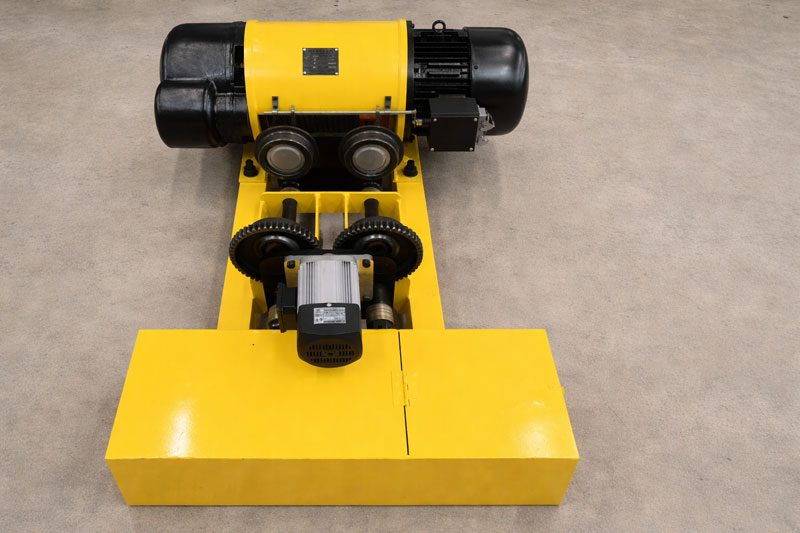
- Low-headroom trolley design
- Workshop height saving
- Retrofit-ready discussion flow
- Quotation-friendly inquiry page
What this page is built to solve
Low headroom projects usually start with one problem: the available installation height is too tight for a more standard arrangement. This redesign makes that value obvious, then moves the visitor into the quotation points that matter.
Why buyers choose low headroom
What helps move quotation faster
- Required capacity and lift height
- Single-girder or double-girder running condition
- Power supply and installation country
- Indoor, dusty, covered outdoor or exposed outdoor environment
- Duty expectation such as normal workshop use or heavier daily cycles
- Existing beam photos, dimensions or layout drawing for retrofit work
Layout Direction for Low Headroom Projects
This section is rebuilt to feel more premium and easier to scan. Instead of stacking everything equally, it gives the main arrangement more visual priority and moves secondary project directions into two cleaner side cards.
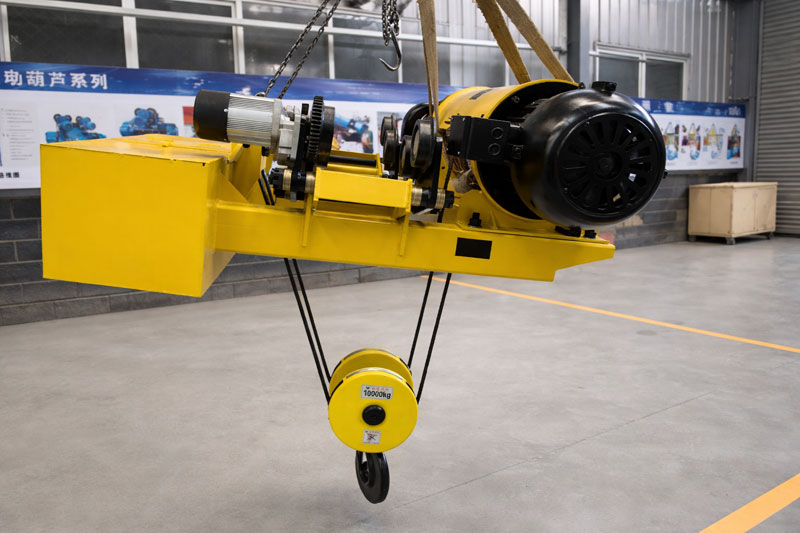
Compact Low Headroom Trolley Arrangement
The main goal is to raise the practical lifting position inside a limited building envelope. Compared with a more standard hoist arrangement, this direction helps reduce wasted vertical space and makes the hook path more useful for the same runway condition.
- Usually discussed for single-girder and double-girder compact lifting arrangements.
- Well suited to buyers who want more lift range without changing the building height.
- Often selected for production lines, machine maintenance zones and compact overhead lifting bays.
- Power supply, duty group and control mode should be confirmed early for accurate matching.
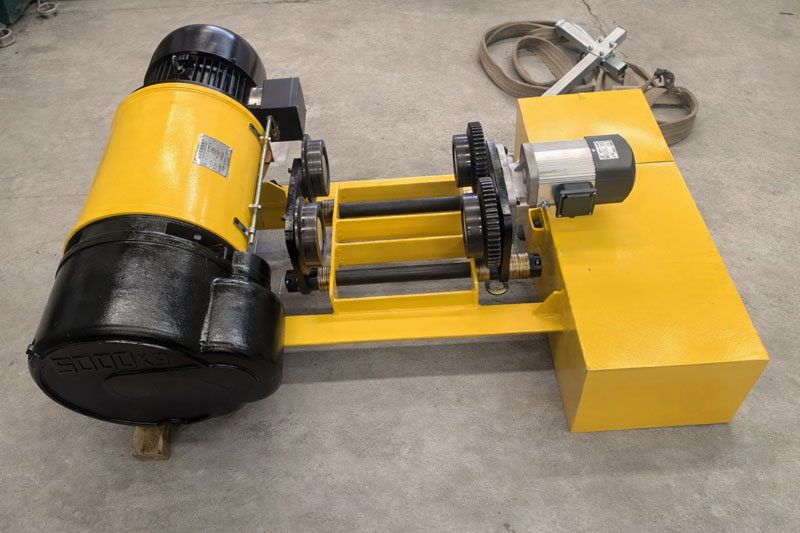
Compact Workshop Direction
Useful when the workshop height is fixed and the buyer wants a cleaner way to improve lifting travel, service access and day-to-day usability.

Retrofit / Replacement Direction
Practical for upgrading an old hoist where the existing crane beam remains in place, but the lifting range or structural arrangement needs improvement.
Build Your Spec & Quick Price Reference
The left side keeps the product inputs clean. The right side turns them into a more persuasive quotation snapshot, and the price guide below automatically highlights the closest reference tier.
Build Your Low Headroom Hoist Spec
Adjust the main quotation points below. The snapshot and guide tier on the right will update together.
For retrofit work, site photos and the current beam arrangement usually help confirm the most suitable low headroom layout much faster.
Quote Snapshot
Use this as a budgetary reference before the final quotation is confirmed by drawing review, working-condition details and electrical requirements.
Reference Price Guide
These visible ranges are intentionally set a little lower and softer, so buyers feel comfortable leaving project details for the exact quote instead of stopping at the price block.
Compact Standard Range
Useful for lighter duty or more straightforward low headroom discussions with cleaner running conditions.
- Commonly fits 1 t to 5 t conversations
- Useful when lift height and duty are moderate
- Good starting point for first inquiry
Balanced Workshop Quote Range
Best for the most common low headroom applications where buyers want a realistic budgetary direction before exact confirmation.
- Suitable for many 5 t to 10 t workshop projects
- Works well for retrofit and new layout comparison
- Encourages the buyer to send actual beam and duty details
Heavier Duty / Higher Lift Review
For higher capacity, longer lift or more demanding working cycles that need more site confirmation and engineering review.
- More likely when duty or lift height moves upward
- Useful for harder-working industrial applications
- Final price depends on detailed working conditions
Technical Focus for Real Projects
Low headroom buyers usually compare hook travel, crane arrangement and operating condition at the same time. These blocks keep that discussion practical without making the page feel overly technical too early.
| Typical Capacity Range | 1 t to 20 t project discussion range |
|---|---|
| Typical Lift Height | 6 m to 36 m depending on working scene |
| Structure Direction | Compact low headroom trolley arrangement for improved hook approach |
| Control Options | Pendant, remote, VFD-assisted travel discussion |
| Power Supply | Export voltage can be customized according to installation country |
| Working Scene | Workshop, warehouse, maintenance area, production line and replacement projects |
What engineers normally confirm first
Low headroom quotation gets clearer when the site envelope is understood early, especially when the buyer is trying to gain hook path inside a fixed building height.
- Available beam type and runway arrangement
- Required hook approach and effective lift target
- Duty frequency and daily operating cycle
- Need for remote control, inverter travel or export voltage
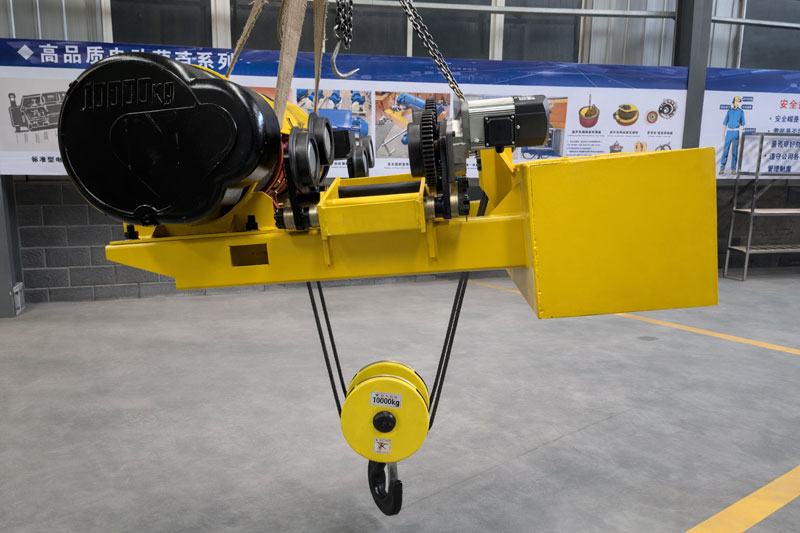
Applications where low headroom brings the most value
The value is not only structural. It also improves everyday usability in plants that need the lifting point to reach as high as possible inside a compact operating envelope.
- Machinery maintenance bays where the lifting point must clear equipment precisely
- Compact assembly workshops that cannot gain more roof height
- Warehouse or process-line lifting where clear vertical space is limited
- Replacement projects that must fit existing runway or building conditions
Product Views & Project Gallery
The gallery keeps your supplied images but presents them in a more premium hierarchy, with one stronger featured visual and four supporting references.
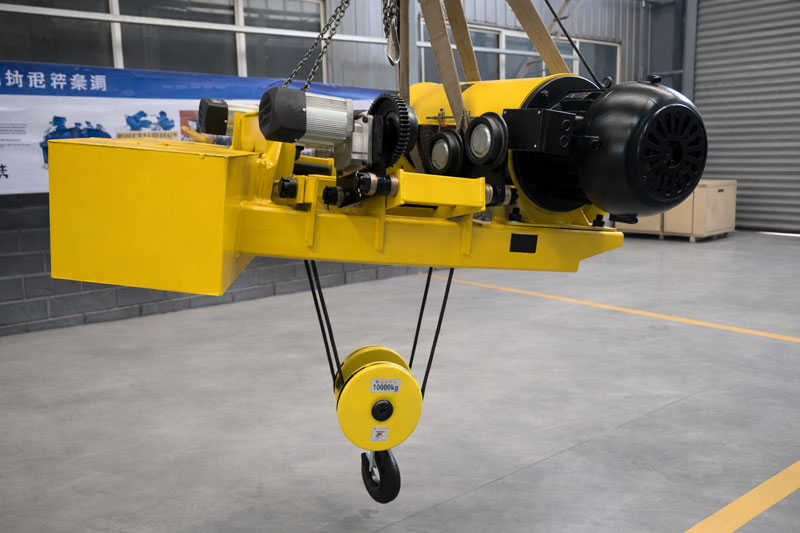
Compact configuration for practical lifting travel
The low headroom direction is especially useful when the project needs more effective lift inside a fixed workshop envelope. It also creates a clearer product story for quotation pages because the benefit is easy for buyers to understand immediately.
Frequently Asked Questions
These are the typical questions buyers ask before sending drawings or requesting a formal quote.
When is a low headroom hoist more suitable than a standard layout?
Can this be used for replacement of an existing hoist?
What details help quotation most?
Can voltage and control options be customized for export?
Inquiry Form
The inquiry area keeps the same two-column Contact Form 7 direction as the original page, but the surrounding shell is redesigned to feel clearer, stronger and more conversion-oriented for low headroom inquiries.
Quote Snapshot
These are the main points that help move a general low headroom hoist inquiry into a faster and clearer quotation process.