
Explosion-Proof Electric Wire Rope Hoists
Heavy-duty, high-speed wire rope hoists—from compact low-headroom trolleys to double-girder units. Share capacity, lift height and duty class for quick sizing.
Explosion-Proof Electric Wire Rope Hoists for Gas and Dust Hazardous Areas
This page is arranged for buyers who need a clearer first quotation path for explosion-proof lifting projects. It combines hazardous area matching, structure direction, live budget guidance, technical focus and inquiry-ready project inputs in one streamlined page.
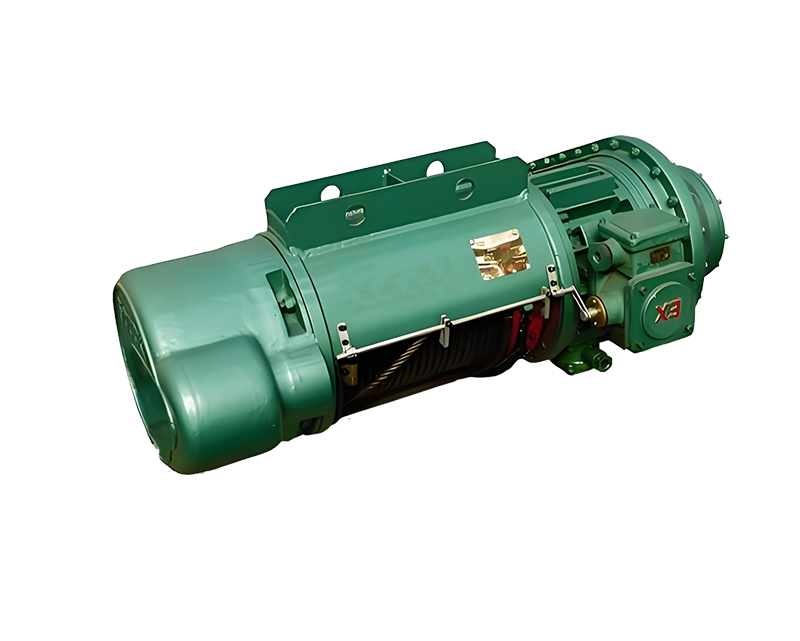
- Hazardous gas & dust area matching
- Project-based configuration support
- Factory-direct quotation service
- Guide price for early-stage discussion
What buyers usually confirm first
Explosion-proof hoist projects are rarely selected by load only. Hazardous area classification, structure type, control mode and temperature class often affect the final execution just as much as capacity and lift height.
Zone & medium matching
Zone 1 / 2 gas areas and Zone 21 / 22 dust areas require different protection logic and execution direction.
Gas group & T class
IIA / IIB / IIC and T3 to T6 choices affect electrical execution, component selection and commercial level.
Structure arrangement
Monorail, low-headroom, double-rail trolley and stationary designs change layout flexibility and quotation range.
Control & environment
Ex pendant, Ex remote control, outdoor duty and corrosion requirements all influence the final project scope.
Configuration Direction for Hazardous Area Projects
This layout is useful when the working environment is already classified and the buyer needs a clearer direction for structure, protection concept and site-specific quotation.

Designed for gas and dust hazardous environments
Explosion-proof electric wire rope hoists are normally selected when the lifting point is inside a classified area and the project needs safer control of ignition risk, enclosure protection, surface temperature and electrical matching.
- Suitable for refinery, chemical, coating line, powder transfer and combustible dust handling environments.
- Available discussion directions include monorail, low-headroom, double-rail trolley and stationary execution.
- Control mode, duty group, corrosion level and outdoor protection all affect final commercial range.
- Better first quotations usually come from real site data instead of only a general product request.
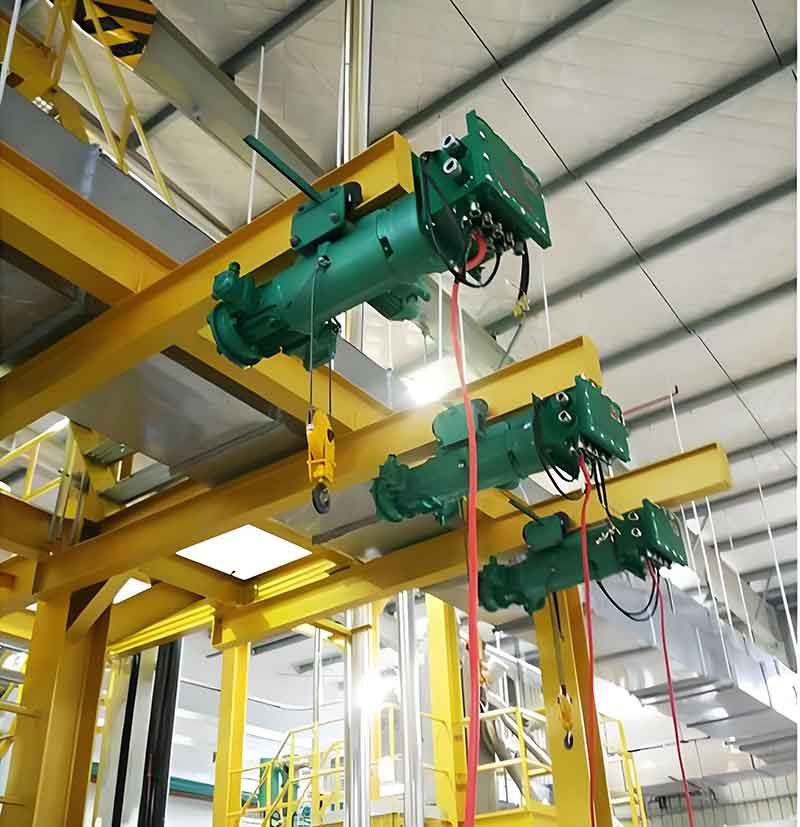
Common request directions
The most common inquiries are Zone 1 gas area lifting, Zone 21 dust area lifting, Ex remote control, VFD hoist and travel, compact low-headroom beam running and higher-protection outdoor execution.
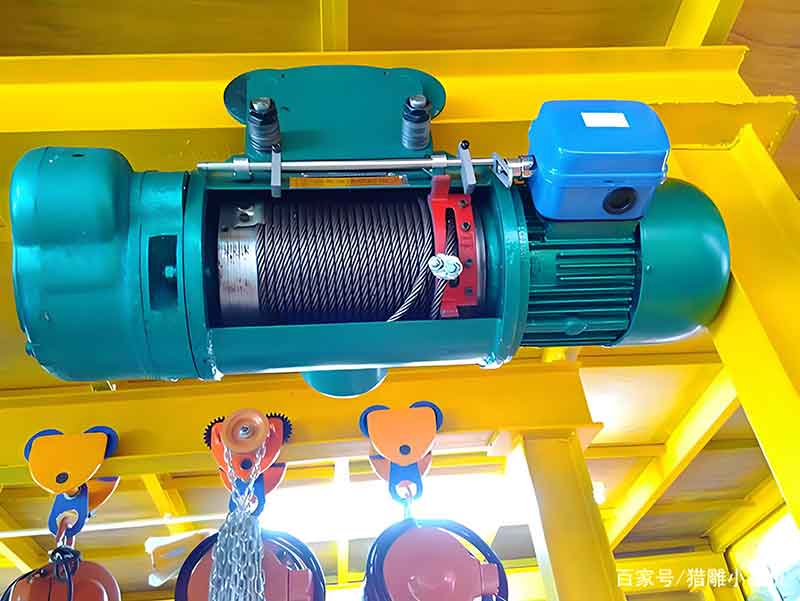
What improves quotation accuracy
Capacity, lift height, hazardous area classification, gas or dust group, temperature class, beam layout, voltage, control preference and site drawings usually make the first quotation much more precise.
Build Your Ex Specification
This builder is for early discussion only. It helps buyers gather the key factors that usually control explosion-proof hoist quotation direction before sending a formal inquiry.
Project Input
Adjust the main project factors below and the summary on the right updates automatically.
Specification Snapshot
This planning summary helps you send a cleaner first inquiry for explosion-proof project review.
| Commercial Direction | Mid-range Ex Project |
|---|---|
| Protection Influence | Zone 1 / IIB / T4 |
| Environment | Indoor Standard |
| Current Guide Range | US$ 7,980 – 9,540 |
Price Reference
These ranges are for early-stage budget discussion only. Final quotation depends on zone class, group, temperature class, structure type, lift height, power supply, control mode and destination requirements.
Light to Medium Duty
Suitable for common monorail applications with standard lift height and regular indoor classified environment.
- Standard monorail execution
- Typical lift height range
- Basic Ex pendant control
- Indoor project direction
Low Headroom / Higher Spec
Common for tighter beam layouts, higher gas group requirements or more demanding classified workshop environments.
- Low-headroom or upgraded structure
- Longer lift height option
- Higher-protection execution
- Better fit for project-based inquiries
Double-Rail / Special Execution
Used for heavier capacities, more complex site layouts, stronger duty requirements or tighter hazardous-area specifications.
- Double-rail trolley direction
- Heavier capacity and longer lift
- Ex remote / outdoor / corrosion upgrades
- Best confirmed by project data
Technical Specifications
This specification block keeps the page practical for both marketing display and first-round technical discussion.
Explosion-Proof Hoist Technical Focus
Final data should be confirmed according to actual project requirements, but the following range is useful for early-stage review and quotation communication.
| Type | Explosion-proof electric wire rope hoist – monorail, low-headroom monorail, double-rail trolley or stationary |
|---|---|
| Rated Capacity | 1–30 t standard direction; larger project discussion available |
| Lift Height | 6–36 m common project range |
| Hoisting Speed | 4–16 m/min, two-speed or VFD direction available |
| Trolley Speed | 10–40 m/min typical, VFD direction available |
| Duty Group | ISO / FEM M4–M6 |
| Protection Concepts | Gas: Ex d / Ex e / Ex ec; Dust: Ex tb direction according to classified area |
| Classification | Zone 1 / 2 gas or Zone 21 / 22 dust; Groups IIA / IIB / IIC or IIIB / IIIC |
| Temperature Class | T3 / T4 / T5 / T6 depending on certified execution |
| Enclosure | IP65–IP66 standard direction; higher corrosion execution can be discussed |
| Control Mode | Ex pendant, Ex radio remote, combined control or project-specific direction |
| Power Supply | 380 / 415 / 440V, 50 / 60Hz, 3-phase typical; destination market customization available |
Applications & Examples
These visuals help buyers connect the product direction with real hazardous-area working scenes instead of treating it only as a general catalog item.
Refinery / Process Area
Suitable for classified lifting points where gas-area execution, control safety and stable running structure are all important.
Chemical Plant Application
Useful when working medium, corrosive atmosphere and site classification all influence the execution direction.
Configuration Example
Good for discussing structure type, protection execution, control arrangement and project quotation details in one view.
Send Your Explosion-Proof Hoist Inquiry
A clearer first inquiry usually reduces back-and-forth. Capacity and lift height are important, but zone class, group, temperature class and control direction often decide the real engineering path.
What to send first
The fastest starting point is the combination of lifting data and classified area data.
- Capacity and lift height
- Zone class and gas / dust medium
- Group and temperature class
- Monorail, low-headroom, double-rail or stationary
Helpful project details
These details often turn a general request into a more accurate review.
- Beam size, travel length and runway condition
- Voltage and control preference
- Indoor, outdoor or corrosive environment note
- Old hoist photos, drawings or nameplate data
Commercial note
Reference prices are for website guidance only and help buyers estimate budget earlier.
- Final quotation follows confirmed technical data
- Special certification scope may affect price
- Accessories and documentation are separate factors
- Bulk or repeat orders can be discussed separately