
High-Lift Electric Wire Rope Hoist
Heavy-duty, high-speed wire rope hoists—from compact low-headroom trolleys to double-girder units. Share capacity, lift height and duty class for quick sizing.
CYCRANE / Longer vertical lifting paths
High-Lift Electric
Wire Rope Hoist.
Define the lift path.
Match the rope and running layout.
Plan a high-lift electric wire rope hoist for tall workshops, pits, shafts and multi-level handling. Bring the required load, hook travel and installation layout together with reeving, working duty and control requirements.
- 1–20 tBuilder capacity
- 6–48 mBuilder lift range
- M4–M6Duty choices
- Longer hook travel review
- Rope & reeving planning
- Running or fixed mounting
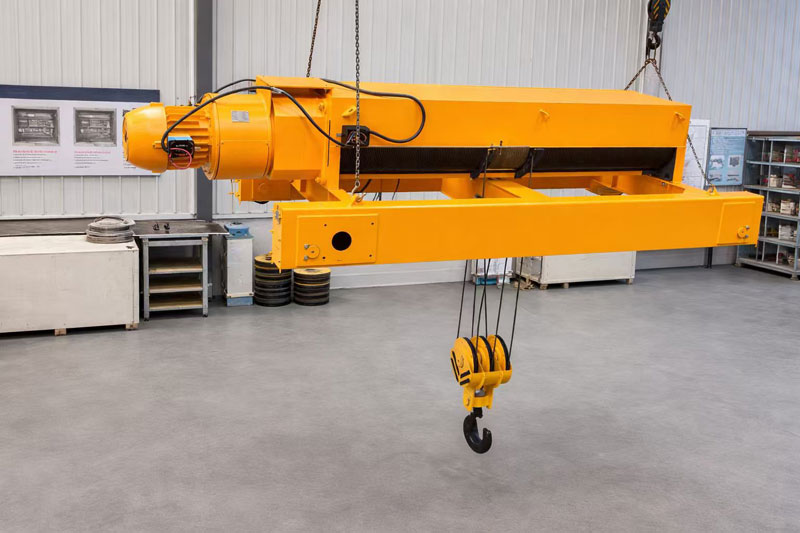 HIGH-LIFT HOISTS / ROPE TRAVEL & DUTY REVIEW
Start with the vertical path.Then define the mounting and operating task.
- 01Load & hook travel
- 02Reeving & mounting
- 03Duty & controls
01 / Mounting directions
Longer hook travel.
A defined running arrangement.
Choose a starting mounting direction and continue configuring. Photographs are product references; final mounting, reeving and dimensions follow the selected technical proposal.
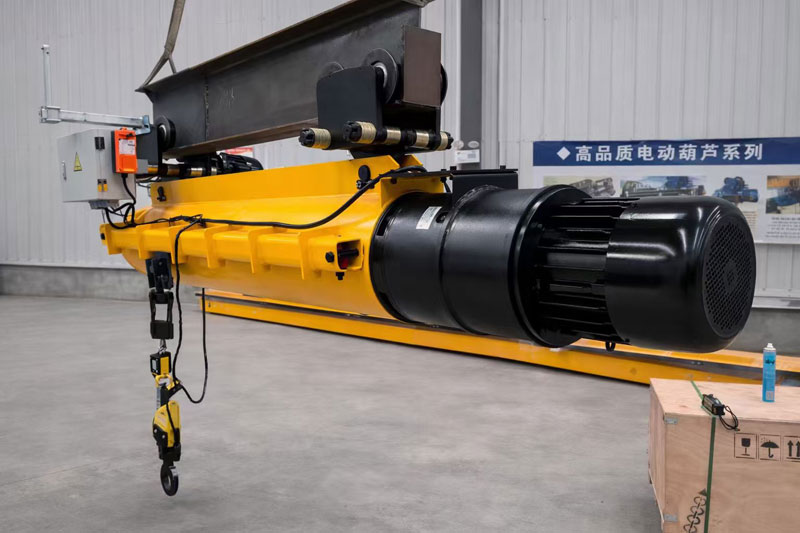
RUNNING DIRECTION
Single-Girder Running
Start from the beam and monorail running arrangement. Confirm load, required lift, trolley fit and the full hook path.

CRANE LAYOUT
Double-Girder Running
Review the hoist package with the double-girder crane layout, rail geometry, trolley gauge and working duty.
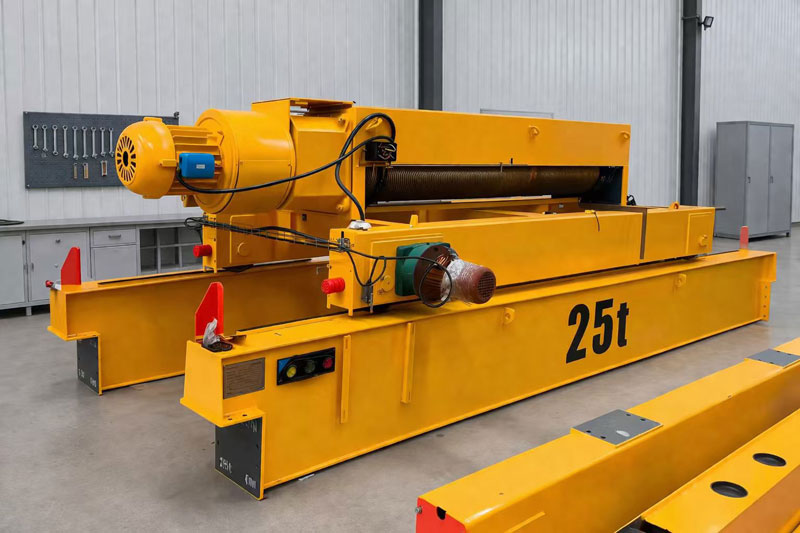
FIXED MOUNTING
Fixed / Stationary
Discuss a stationary mounting arrangement for a defined vertical path. Confirm support loads, mounting details and access.
02 / Configure & plan
Set the load and lift.
Review the full specification.
Keep all 11 original configuration fields together. The selected specification, per-hoist reference range and closest guide level update with your choices.
Build Your High-Lift Hoist Spec
The original speed choices describe motion preferences. State the actual hoisting speed you need in the notes; no speed in m/min or anti-sway performance is assumed.
For 4+ sets, state the exact quantity in the notes. The displayed range retains the original quantity-band factor and is not an order total.
03 / Original starting references
Compare the direction.
Confirm the project scope.
The original starting prices are retained separately from the live estimate. Highlighting follows the estimate’s lower value: below US$3,400 / US$3,400–4,699 / US$4,700 and above.
Light / Standard High-Lift
From US$ 2,980
An original entry reference for lighter-capacity projects and simpler running conditions.
Closest original guide levelMainstream High-Lift
From US$ 3,480
An original starting reference for lift, reeving and duty review.
Closest original guide levelHigher-Duty / Longer Travel
From US$ 4,680
An original starting reference for higher capacity or more demanding vertical travel.
Closest original guide levelStarting references are not a price promise for every configuration. Review the live estimate and send the exact load, lift, quantity and installation details for a defined factory quotation.
04 / Technical inputs
Rope travel and duty.
One coordinated lifting task.
Reference inputs taken from the original builder. They describe the enquiry scope; the selected hoist’s technical drawing and data sheet confirm the final specification.
| Capacity input | 1–20 t |
|---|---|
| Lift-height input | 6–48 m |
| Running / mounting | Single-girder / double-girder / fixed |
| Motion preference | Standard / Balanced / Smooth. Actual speed and control performance require confirmation. |
| Duty choices | M4 / M5 / M6, subject to operating-cycle review |
| Power choices | 380V 50Hz / 400V 50Hz / 460V 60Hz, 3Ph; custom export voltage review |
Longer hook travel requires confirmation of the complete hoist arrangement. No fixed swing-reduction or operating-speed claim is implied by the preference labels.
05 / Product gallery
Review the structure.
Plan the vertical path.
All six original product photographs are retained across the page. Final dimensions, rope capacity and mounting interfaces follow the selected technical proposal.
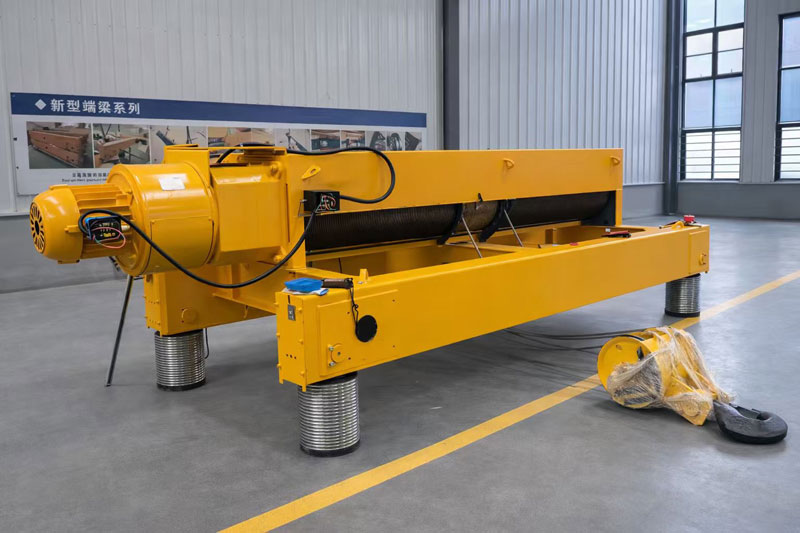
High-lift hoist product view
Original product photograph; confirm final configuration from the selected drawing.
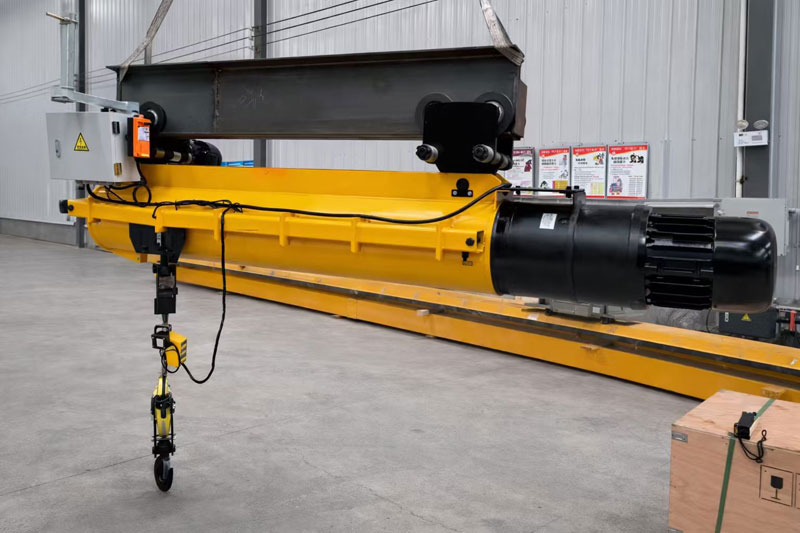
Product arrangement
Original product photograph; confirm final configuration from the selected drawing.
Hoist reference view
Original product photograph; confirm final configuration from the selected drawing.
Workshop reference view
Original product photograph; confirm final configuration from the selected drawing.
High-lift structure view
Original product photograph; confirm final configuration from the selected drawing.
06 / Application & quotation review
Tall workshops and shafts.
Service pits and process lifting.
Review longer hook travel with the installation structure and operating task. The twelve original quotation points are retained below.
LIFTING TASK
What usually matters most
- Required capacity and target lift height
- Single-girder or double-girder running condition
- Required operating smoothness and control mode
- Whether the rope travel is standard or needs project-based reeving
- Working frequency and expected duty level
- Power supply and installation country
SITE & QUOTATION
What helps confirm pricing faster
- Beam arrangement and available installation dimensions
- Indoor, dusty, covered outdoor or exposed outdoor environment
- Any drawing, site photo or crane layout reference
- Expected delivery schedule and quantity
- Any special requirement for smoother lifting or lower swing
- Whether the buyer is comparing against an existing older hoist
07 / Before you specify
Questions for a clearer
high-lift hoist quotation.
Load, travel and operating duty guide the complete hoist arrangement.
Discuss your lift path ↗What should I specify for a high-lift wire rope hoist?
State the load, required hook travel, actual speed, operating cycle and beam or mounting arrangement. Rope travel, reeving and the installation envelope are reviewed with the final model.
Does Smooth / Lower swing specify an anti-sway package?
No. It retains the original motion-preference label for discussion. State your positioning and handling requirements; actual speeds, drive scope and any swing-control functions require separate confirmation.
Can the hoist be fixed rather than trolley-mounted?
Fixed / Stationary is an original configuration choice. Provide support geometry, mounting dimensions and the lifting path so the stationary arrangement and support loads can be reviewed.
How does quantity affect the reference price?
The original model applies factors of 1.00 for one set, 0.98 for two, 0.97 for three and 0.95 for 4+ sets. It does not multiply the price by quantity. The displayed range is a per-hoist reference; state the exact count for an order quotation.
Why do the starting guide cards differ from the live estimate?
The cards retain the original starting references, while the live model includes the chosen load, lift, motion preference, layout, reeving, duty, control, environment, power and quantity band. Final pricing follows the actual technical scope.
What helps a replacement or retrofit enquiry?
Send the old nameplate, beam or mounting drawing, required travel, available dimensions and site photographs. Include power, working cycle and any constraints on access, hook approach or maintenance.
08 / Your high-lift hoist enquiry
Tell us the load.
Show us the lift path.
Your configuration, motion preference, reeving, electrical supply and project notes are included with the enquiry. Add the exact quantity, actual speed and available installation drawings.
- WhatsApp / phone+86 155 1554 5327
- Sales enquiriessales@cy-cranes.com
- Talk about your projectCall +86 155 1554 5327
Useful files: beam or mounting drawing, vertical hook-path sketch, old nameplate and site photos. Include the installation country, required quantity and working cycle.
Request a High-Lift Hoist Quote
Start with your email and destination. Add the project details you already know.
Review the configuration included with your enquiry
Prefer email? Send your configuration ↗