
Galvanizing Electric Wire Rope Hoist
Heavy-duty, high-speed wire rope hoists—from compact low-headroom trolleys to double-girder units. Share capacity, lift height and duty class for quick sizing.
Galvanizing Electric Wire Rope Hoist
This page is rebuilt for buyers comparing a galvanizing-duty electric wire rope hoist, not a generic standard hoist. The content below focuses on zinc workshop transfer work, protective direction, travel arrangement, electrical protection and project information that usually helps the first quotation move faster.

- Factory-direct export support
- Protective configuration review
- Workshop-condition discussion
- Fast quotation with project data
What this page is built to solve
Galvanizing hoist projects usually need more than a standard tonnage and lift-height request. Buyers often need help aligning lifting requirement, line position, protective direction and workshop environment before they can compare the right quotation.
Matched to galvanizing workshop conditions
This direction is more useful when the hoist works around humidity, zinc-related contamination, splash risk or a line area that needs better protective thinking than a standard indoor application.
Better review of protective package
Paint system, enclosure direction, cable protection, exposed metal details and maintenance access are often part of the discussion very early in the project.
Closer to real line layout
Span direction, runway or beam data, lifting path and pick-and-place rhythm are usually more important than product-name matching alone.
Faster quotation with practical inputs
Load, lift height, travel length, workshop condition, voltage, duty group and site photos or drawings usually help move quotation much faster than a short inquiry message.
Project Direction for Galvanizing Line Applications
This page direction is practical for transfer work, suspended lifting points and workshop travel applications where the project needs a wire rope hoist that is better aligned with galvanizing-related conditions.
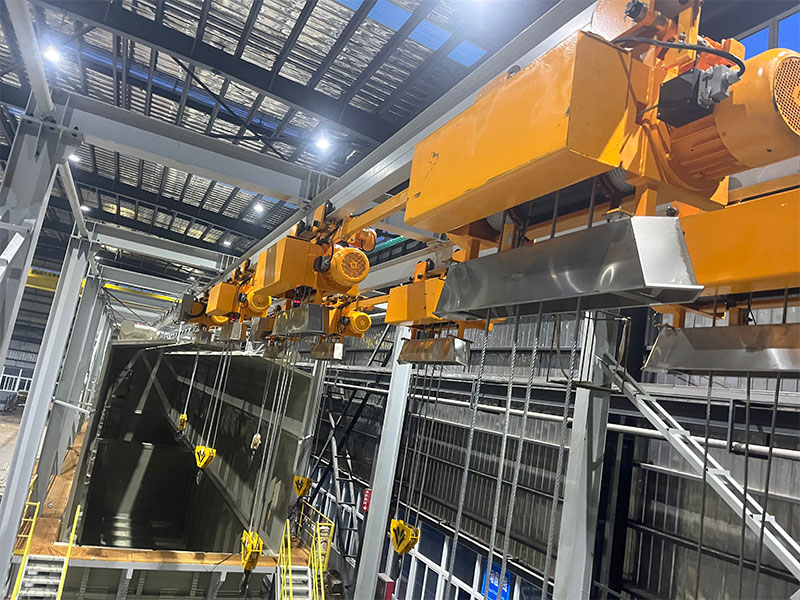
Built for lifting work that needs more than a standard hoist selection
Galvanizing projects often care about stable motion, workshop cleanliness, coating durability, sealed electrical details and easier service planning over the operating life of the hoist.
- Useful for lifting or transfer points around galvanizing production flow, service bays or workshop movement paths.
- Protective direction can be discussed according to humidity level, splash exposure and the general atmosphere in the line area.
- Travel layout, lifting rhythm and inspection convenience can be aligned early for a more practical quotation.
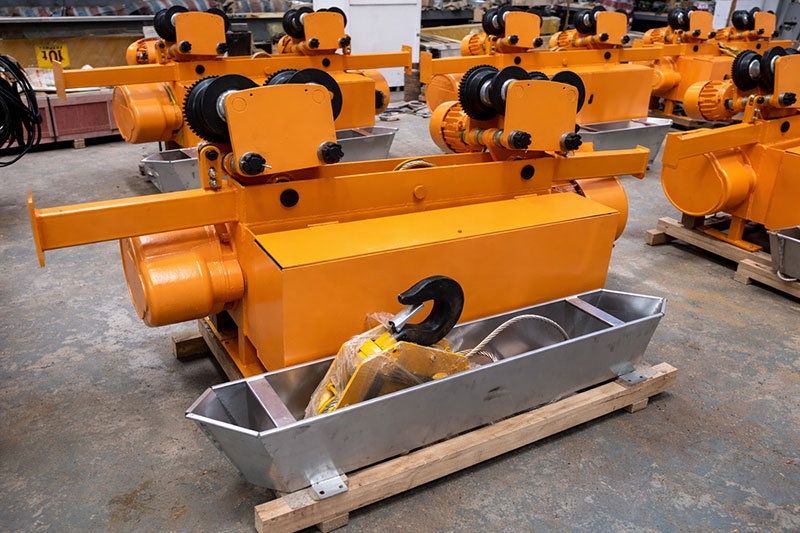
Where this product direction is usually chosen
Common for galvanizing workshop handling points, transfer areas, line-side lifting work, replacement projects and other applications where protective details matter more than a standard indoor hoist direction.
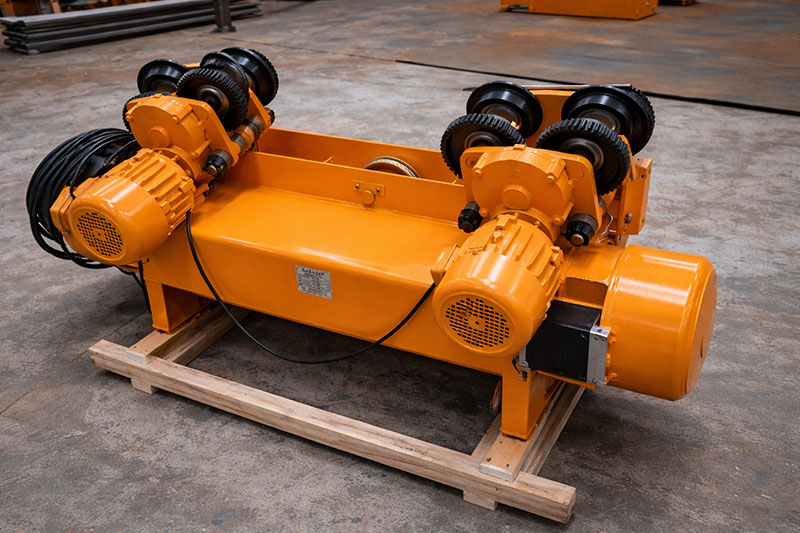
What helps move quotation faster
Load, lift height, beam or runway information, travel distance, voltage, duty group, workshop temperature, exposure level and photos or layout drawings are the most useful first inputs.
Build Your Spec & Get a Practical Reference Range
Use the reference range below to plan your project budget more easily, then send your working data for an exact quotation based on corrosion protection, duty group, control mode and workshop conditions.
Build Your Galvanizing Hoist Spec
Fill in the main working points first. This usually makes the first quotation much more practical than a simple product-name request.
Quote Snapshot
These are the main points that usually help turn a general galvanizing hoist inquiry into a clearer first quotation.
Technical Focus for Real Projects
Real galvanizing hoist selection usually starts with workshop data, not only with a product name. The technical points below are the ones worth confirming first.
| Application Direction | Galvanizing line transfer work, service bay lifting, workshop travel and replacement projects that need more corrosion-aware discussion than a standard indoor hoist. |
|---|---|
| Main Review Points | Capacity, lift height, runway or beam data, travel path, workshop atmosphere, splash exposure, protective package and electrical standard. |
| Protective Direction | Can be discussed around upgraded paint or coating, sealed electrical arrangement, exposed metal detail treatment and maintenance access expectations. |
| Control & Motion | Pendant, remote or VFD-based direction can be selected according to handling precision, operator position and general workshop rhythm. |
| Working Environment | Useful to mention humidity, corrosive atmosphere, splash risk, washdown direction, higher temperature areas and any workshop cleanliness requirement. |
| Quotation Inputs | Layout drawing, beam size, lifting path, duty group, power supply, destination country and line photos usually help improve quotation accuracy. |
What engineers usually review first
For galvanizing-related work, the project conversation usually starts with the real workshop condition. The right direction often depends on how close the hoist is to humid, corrosive or splash-prone areas and what service life expectation the buyer has.
- Whether the hoist works in a standard indoor bay or in a more demanding workshop atmosphere.
- How much protective upgrade is expected for electrical parts, exposed surfaces and maintenance-sensitive components.
- Travel route, lifting frequency, operator control preference and the general rhythm of the production line.
- Whether this is a new installation, a replacement unit or an upgrade for an existing galvanizing workshop setup.
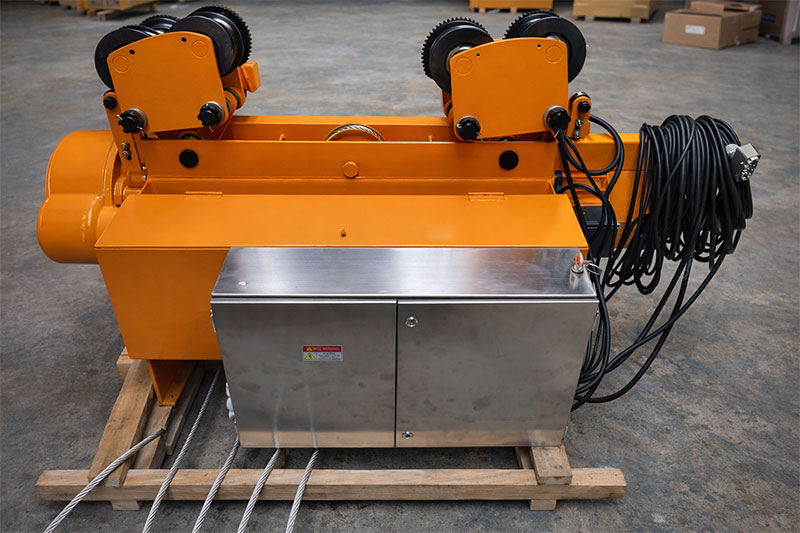
Where this product direction makes sense
This direction is practical for buyers who already know a standard hoist is not enough for the real workshop environment and want the page to help organize the application details before quotation.
- Galvanizing workshop transfer points and service movement tasks.
- Projects that need better attention to coating durability and sealed electrical details.
- Replacement work where the new unit needs to match an existing runway or working line.
- Export projects that need voltage, control and protective direction reviewed together.
Product Views & Project Gallery
The gallery below uses your supplied images and keeps the page visually consistent with the product-page family above.
Visual reference for galvanizing-duty hoist direction
These product views help buyers quickly understand the overall structure, travel direction and workshop-ready product feeling before final project details are confirmed.
Frequently Asked Questions
These are the typical questions buyers ask before sending drawings or asking for a formal quote for a galvanizing electric wire rope hoist project.
What is the main difference between a galvanizing electric wire rope hoist and a standard wire rope hoist?
What details help quotation most?
Can the protective package be adjusted for different workshop conditions?
Can voltage and control options be customized for export projects?
Inquiry Form
This inquiry area keeps the same two-column Contact Form 7 direction as your other product pages. It is suitable for galvanizing hoist quotations, workshop-condition review and project discussion.
Quote Snapshot
These are the main points that help move a general galvanizing hoist inquiry into a faster and clearer quotation process.