
Metallurgical (Foundry-Duty) Electric Wire Rope Hoists
Heavy-duty, high-speed wire rope hoists—from compact low-headroom trolleys to double-girder units. Share capacity, lift height and duty class for quick sizing.
Metallurgical (Foundry-Duty) Electric Wire Rope Hoists for Steel and Casting Operations
This page is arranged for buyers who need a clearer starting point for metallurgical hoist selection. It brings together foundry-duty working logic, hot-area protection, duty-group review, structural direction and quotation-ready project inputs in one streamlined page.
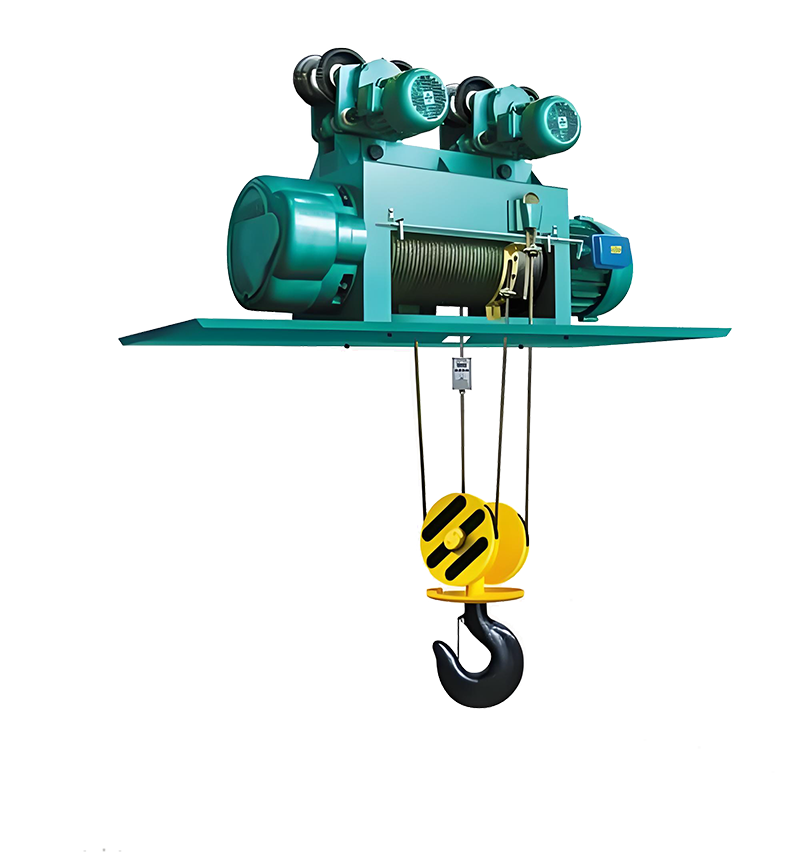
- Foundry-duty project direction
- Heat-protection configuration support
- Steel & casting lifting scenes
- Factory-direct quotation review
What buyers usually confirm first
A metallurgical hoist is normally selected by working condition first. Temperature influence, duty level, braking logic, structure arrangement and process risk usually matter before a standard hoist comparison even starts.
Heat resistance direction
For casting bays, steel workshops and furnace-area lifting, thermal shielding and hot-environment protection are usually part of the first review.
Dual-brake safety logic
Foundry-duty projects often require more conservative braking control, especially when the operating condition is heavier and the workshop risk is higher.
Duty-group confirmation
M6 to M8 direction is common in this category because repetitive operation and heavier process demands need to be checked early.
Structure matched to the line
Fixed suspension, electric trolley and low-headroom direction can all be discussed depending on beam arrangement, travel path and installation limitation.
Project Direction for Metallurgical and Foundry Work
This direction fits lifting scenes where temperature, process rhythm and safety margin are critical. It is practical for steel plants, hot-metal transfer points, casting lines and furnace-adjacent maintenance lifting.
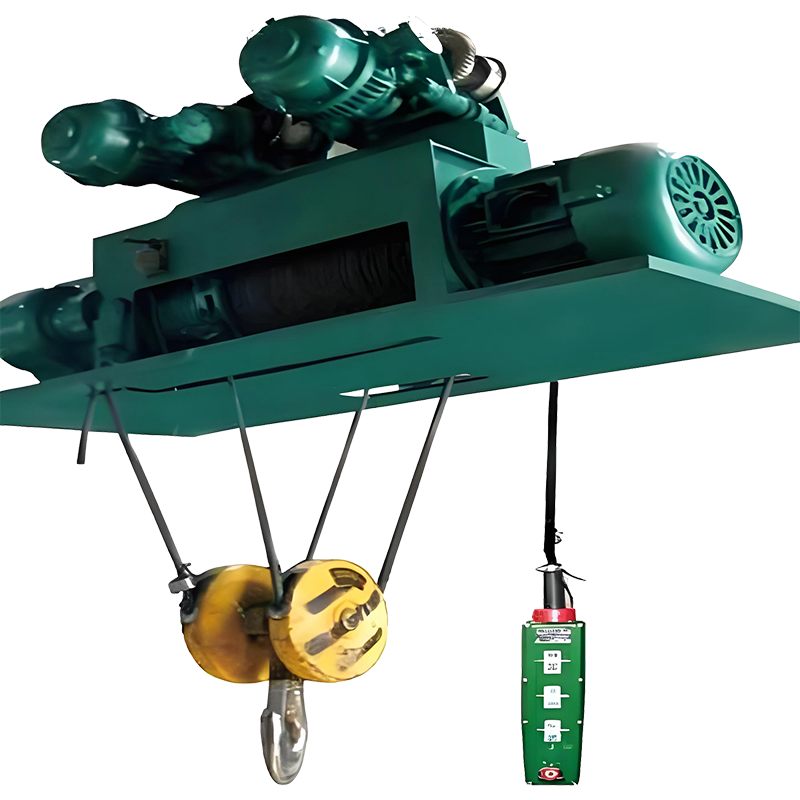
Designed for steel, casting and hot-area lifting scenes
Metallurgical electric wire rope hoists are usually chosen for projects where the equipment must handle not only load and lift height, but also heat impact, duty intensity and a harsher workshop environment. In these scenes, a standard hoist comparison is usually not enough.
- Useful for workshops where furnace radiation, casting heat or hot-material handling affects equipment selection.
- Configuration can be discussed as fixed suspension, electric trolley or low-headroom direction according to beam and process layout.
- Duty level, braking logic and control mode should be confirmed early instead of being treated as only optional extras.
- Site temperature, working cycle and maintenance expectation often decide whether the execution should stay standard or move to a heavier duty package.
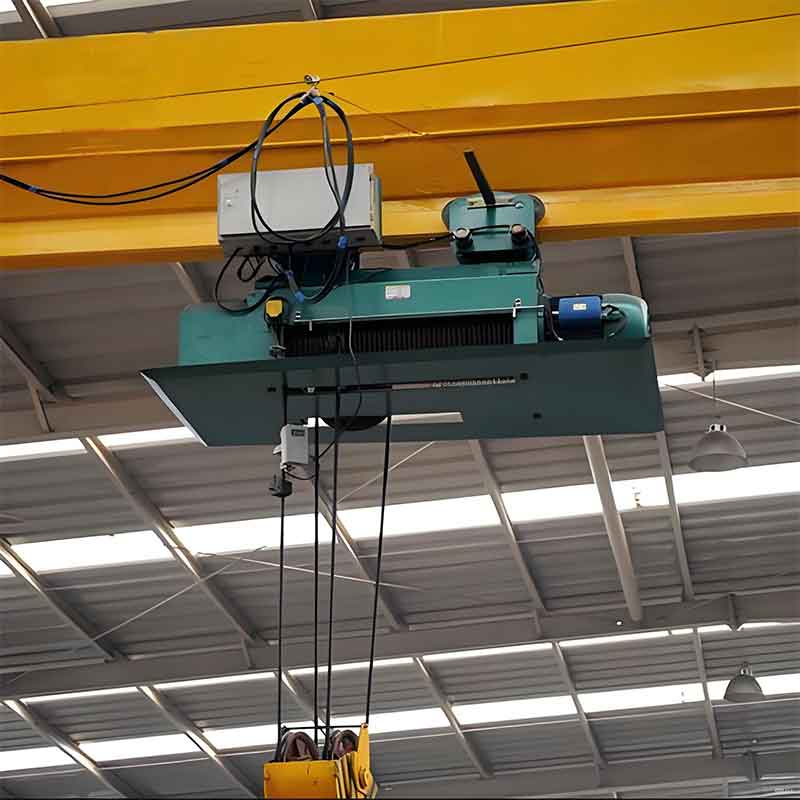
What buyers ask most often
Common questions usually focus on whether the hoist is suitable for high-temperature areas, whether dual brakes are included, what duty group is recommended, and whether the trolley version or fixed version is better for the workshop layout.

What shortens engineering review
Capacity, lift height, heat-source distance, structure type, duty class, power supply, speed request and site photos are usually enough to move the first technical review much faster.
Build Your Foundry-Duty Specification
This builder is for early discussion only. It helps buyers gather the key factors that usually control metallurgical hoist direction before the formal quotation stage.
Project input
Adjust the main foundry-duty factors below and the summary on the right updates automatically.
Specification snapshot
This planning summary helps you send a cleaner first inquiry for foundry-duty review.
| Capacity | 10 t |
|---|---|
| Lift Height | 12 m |
| Structure | Electric Trolley |
| Duty Group | M6 |
| Control | VFD |
| Brake Package | Dual Brakes |
| Thermal Protection | Enhanced Heat Protection |
| Environment | Steel Plant / Rolling Area |
| Power Supply | 380V / 50Hz / 3Ph |
| Quantity | 1 |
| Timeline | Standard schedule |
Reference Budget Range
The ranges below are intentionally set as conversion-friendly budget references for early discussion. Final quotation still depends on capacity, lift height, duty group, brake package, heat-protection level, structure type, speed control and workshop condition.
Basic Foundry-Duty Direction
Suitable for lighter hot-area lifting scenes where buyers want a practical first reference and then confirm the exact package through inquiry.
- Typical 5–8 t direction
- Fixed or standard trolley structure
- M6 duty direction
- Dual-speed or basic VFD review
- Basic heat-shield package
- Project details still required for exact offer
Enhanced Heat-Protection Direction
This is usually the more practical range for buyers who need stronger hot-area protection, dual brakes and a safer process-duty direction without starting too high.
- Typical 8–16 t direction
- Electric trolley or low-headroom trolley
- M6–M7 duty group
- Dual brakes included
- Enhanced heat-protection package
- VFD or more controlled running logic
Heavy Duty High-Temperature Direction
Used for more demanding environments where duty cycle, heat influence and braking safety need a heavier configuration package from the start.
- Typical 16–20 t and above
- Low-headroom or heavier trolley direction
- M7–M8 duty group
- Dual brakes as standard direction
- Heavy hot-area protection package
- VFD / remote / custom control combinations
Technical Focus for Metallurgical Lifting Projects
Foundry-duty selection usually starts from temperature, process cycle and safety logic. These are the technical points buyers and engineers usually align first.
What engineers usually confirm first
- How close the hoist works to furnace heat, casting heat or hot-metal process areas.
- Whether the project should remain in a general hot-area package or move to a heavier foundry-duty direction.
- Required duty group, running cycle, braking logic and whether VFD or dual-speed is preferred.
- Whether fixed suspension, standard trolley or low-headroom trolley fits the actual workshop structure.
- Power supply, maintenance expectation and replacement compatibility with existing equipment.
Where this product direction makes sense
This direction is practical when workshop heat, operating intensity and safety margin all affect the hoist selection.
Technical Specifications
This block keeps the metallurgical page’s technical focus but places it inside the newer page structure you are using on the site now.
| Type | Metallurgical (Foundry-Duty) electric wire rope hoist |
|---|---|
| Typical Capacity | 5–20 t common direction, custom projects can extend higher |
| Lift Height | 6–30 m typical project range |
| Duty Group | M6–M8 according to working cycle and process demand |
| Brake Package | Dual brakes commonly recommended for foundry-duty direction |
| Control Mode | Dual-speed or VFD according to process control preference |
| Structure | Fixed suspension, electric trolley or low-headroom trolley |
| Thermal Package | Heat-protection package with shielding and hot-area execution direction |
| Applicable Scenes | Steel plants, casting bays, hot-metal process areas and furnace-adjacent maintenance lifting |
| Power Supply | 380 / 415 / 440V, 50 / 60Hz, 3-phase typical, custom voltage available |
| Operating Logic | For projects where environment and duty level need to be reviewed together rather than by capacity alone |
Applications & Examples
These visuals help buyers connect the foundry-duty direction with real workshop logic instead of treating it like a standard hoist category.
Foundry Workshop
Useful for lifting scenes where temperature, process rhythm and working intensity all influence the hoist execution.
Trolley Configuration Direction
Good for discussing standard trolley or low-headroom trolley arrangement according to workshop beam conditions.
Project Configuration Example
Suitable for early discussion of dual brakes, duty group, heat protection and control mode in one product view.
Inquiry Form
This inquiry area now uses the same two-column Contact Form 7 presentation as the second page, while the wording stays matched to metallurgical and foundry-duty quotation requirements.
Quote Snapshot
These are the main points that help move a general foundry-duty hoist inquiry into a faster and clearer quotation process.